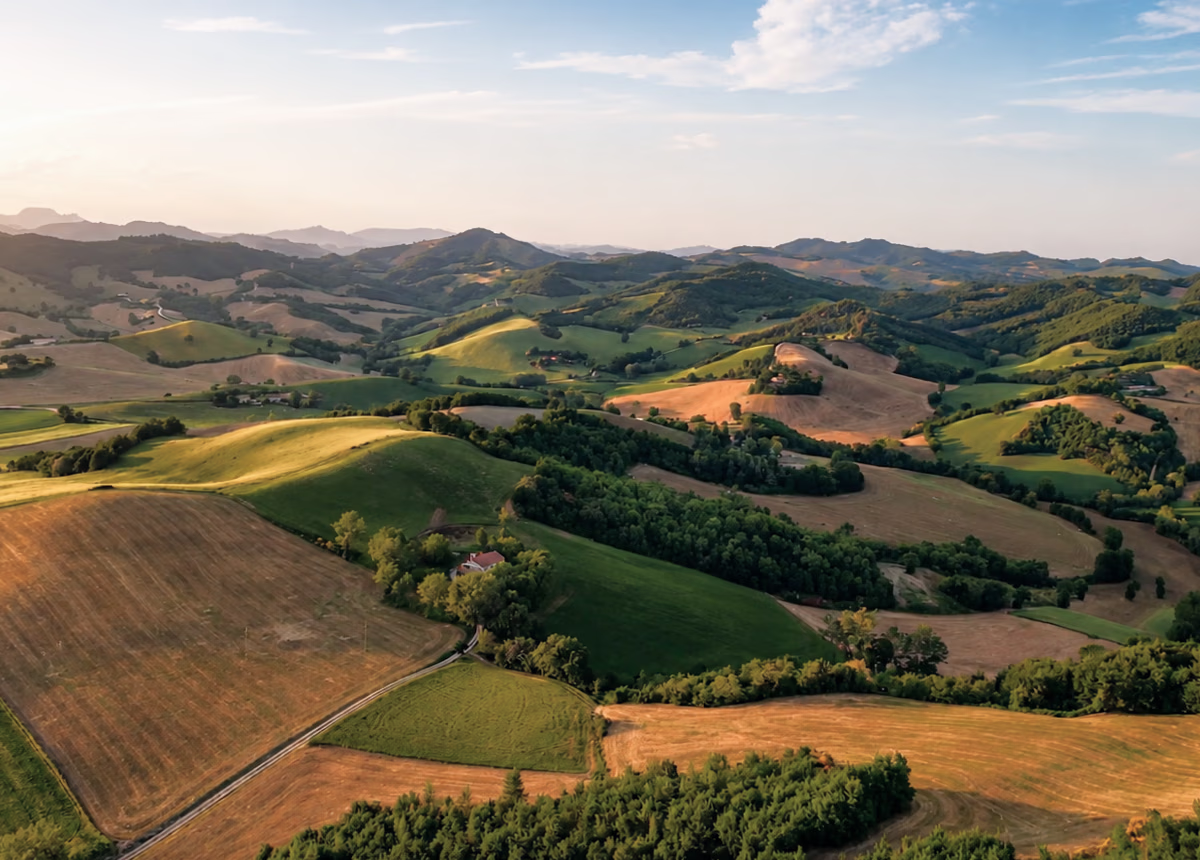
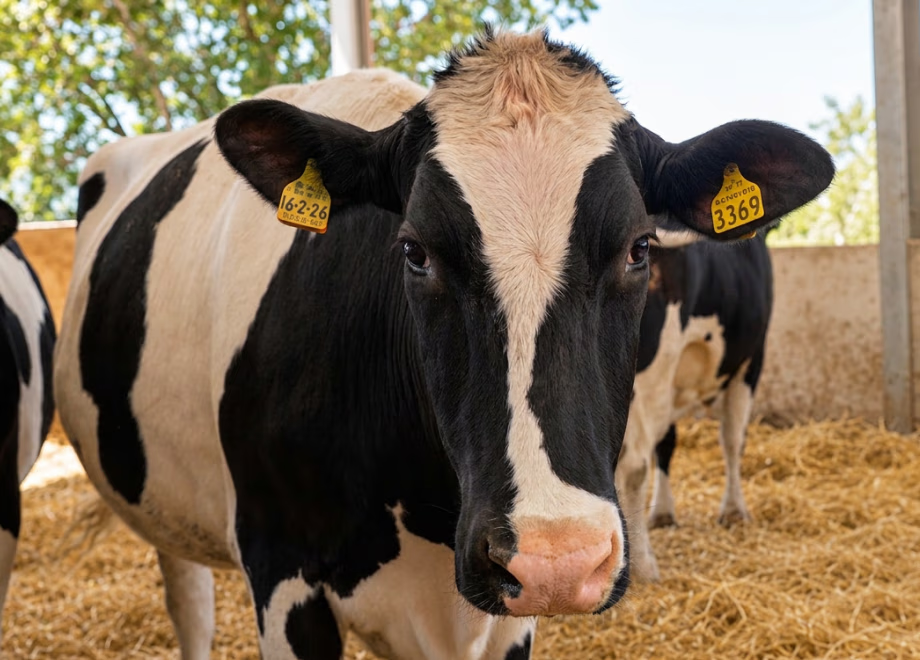
Territory is not where we are. It is how we are.
The land is our primary resource. It is thanks to the daily work of our member farmers that we can offer products that reflect who we are.
Caring for the land is, first and foremost, a choice. The way we want to be in the world. We call it a shared value. When work, the environment and local communities grow together, every day.

More than a promise: a daily practice.
Since 2012, we have been operating under an ISO 14001-certified Environmental Management System. This means we monitor every stage of the supply chain, from milk sourcing to packaging, to prevent pollution, protect our workforce and minimise our impact on water, air and energy.
A commitment that we do not simply file away at the end of the year, but which we continually review and update, because the quality of what we produce must not come at the expense of the local area that makes it possible.
We are part of the SIMQUA project, a research and development initiative in the Marche region focused on innovative systems for improving water quality and recycling water on livestock farms and within the agri-food supply chain.
We measure what we do.
Sustainability is measured in concrete choices: better machinery, production methods that respect the raw materials processed every day, and carefully monitored data.
Energy from the sun
of energy consumption covered
The 717.75 kWp photovoltaic plant covers 11 per cent of the factory’s energy consumption, preventing CO₂ emissions into the atmosphere every year.
It is integrated with electric charging points, to support the shift towards low-emission transport.
Energy from waste
of degraded organic matter
The anaerobic biodigester at the Jesi plant recovers energy from sludge and organic waste, producing biomethane that is used directly in the plant’s boiler.
The result: approximately 98 per cent of the organic matter in the effluent is broken down, and 10 per cent less fossil methane is consumed.
Water consumption
of water saved
Tetra Pak’s new UHT sterilisation plant, based on an advanced heat exchange system, reduces water consumption by 50 per cent and energy consumption by 5 per cent at the Jesi plant, whilst increasing production capacity by 14 per cent.