
Cow’s milk and heart health: the benefits for blood pressure, stroke and cholesterol

There has long been debate about the link between milk consumption and heart health, particularly due to the presence of saturated fats in its composition. However, the most recent research and comprehensive reviews of the international scientific literature paint a very different and more reassuring picture. As part of a balanced diet, moderate milk consumption has in fact been shown to be a valuable ally in the prevention of major cardiovascular problems.
This is confirmed by the data that has emerged in the context of the 6th European Summer School on Nutrigenomics from the University of Camerino (UNICAM), of which Trevalli Cooperlat is a sponsor, a project launched to investigate the link between food, genetics and health. Below are the results of research carried out in numerous laboratories, summarised here for Trevalli Cooperlat by Professor Rosita Gabbianelli – Professor of Biochemistry at the Molecular Biology and Nutrigenomics Unit of the University of Camerino – on the real impact of milk on our hearts.
One glass a day to protect your heart
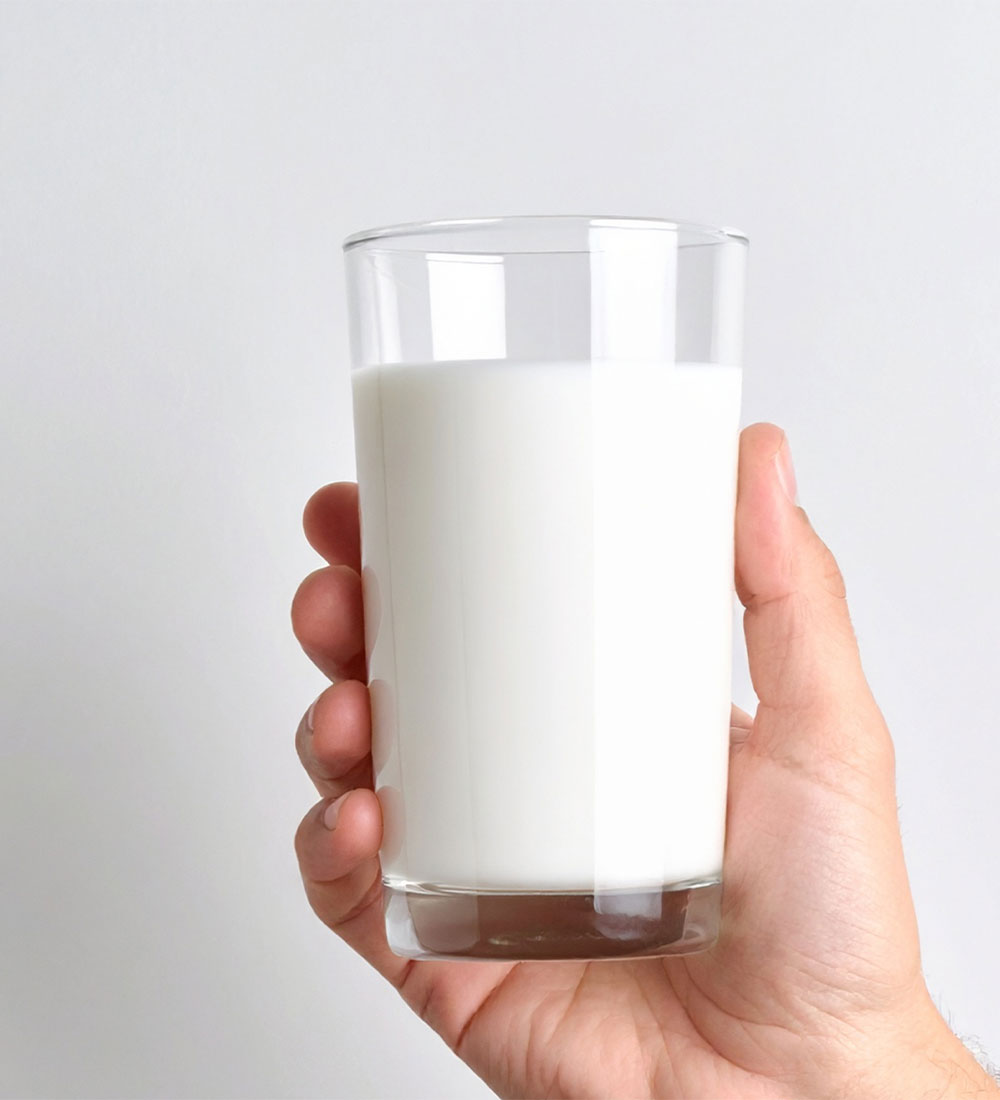
Analysing the evidence gathered internationally in recent years – and compiled in a comprehensive umbrella review, namely a ‘super-study’ that summarises and compares data from dozens of studies conducted on hundreds of people – it is clear that daily consumption of around 200 ml of milk (the equivalent of a standard glass) is linked to significant protective effects.
Specifically, the most robust evidence shows that a daily intake of 200 ml of milk is associated with:
- a 7 per cent reduction in the risk of stroke;
- a 6 per cent reduction in the overall risk of cardiovascular disease;
- a 4 per cent reduction in the risk of developing hypertension (high blood pressure).
Choosing your milk: whole, semi-skimmed or skimmed?
In prospective cohort studies, neither whole milk nor semi-skimmed milk was clearly associated with an increase in the incidence or mortality from coronary heart disease or stroke.
However, experts highlight an important distinction: prolonged consumption of full-fat milk has been associated with a slight increase in the risk of stroke (+4%). For this reason, for the general population or for those who need to monitor their blood lipid levels, semi-skimmed or skimmed milk is an ideal solution for reaping the benefits of milk’s nutrients whilst maintaining a controlled calorie and fat intake.

Why is milk good for your circulation?
The benefits of milk for blood pressure and cardiovascular health stem from the food’s complex nutritional profile. Once digested, milk proteins release specific bioactive peptides that help regulate blood pressure and blood vessel function.

In conclusion: the correct quantities and exceptions
All in all, the findings of the research are clearly positive: for the general population, consuming around one glass of milk a day (200 ml) brings more benefits than risks to cardiovascular health. This general recommendation does not, of course, apply to people with a milk protein allergy, lactose intolerance or specific medical conditions for which a doctor has advised against its consumption.
Useful information