
Sugars and blood glucose: what’s the difference between cow’s milk and plant-based alternatives?

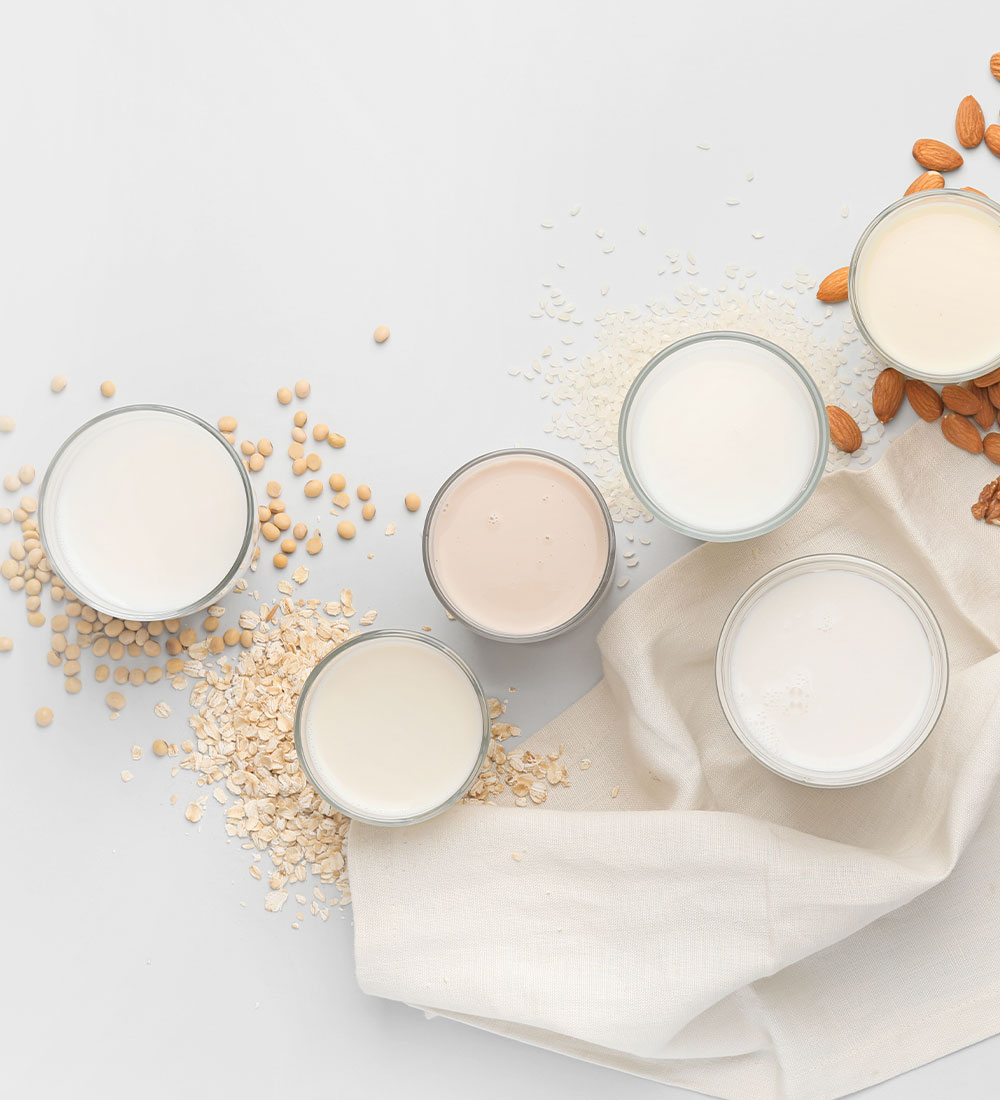
In recent years, the shift towards a plant-based diet has led more and more consumers to replace traditional cow’s milk with drinks made from soya, rice, oats, almonds or coconut. Whilst these represent a solution for those who cannot or do not wish to consume animal products, it is important to learn how to read labels carefully. It is often assumed that ‘plant-based’ is automatically synonymous with ‘healthier’ or ‘lighter’, but research shows a different reality, especially when it comes to sugars.

Precisely to provide clarity backed by scientific data, this article has been produced in close collaboration with the 6th European Summer School on Nutrigenomics at the University of Camerino (UNICAM), a project established to investigate the link between food, genetics and health, and of which Trevalli Cooperlat is a sponsor. Here is what emerges from the research carried out in numerous laboratories, summarised here for Trevalli Cooperlat by Professor Rosita Gabbianelli – Professor of Biochemistry at the Molecular Biology and Nutrigenomics Unit of the University of Camerino.
Natural sugars versus added sugars
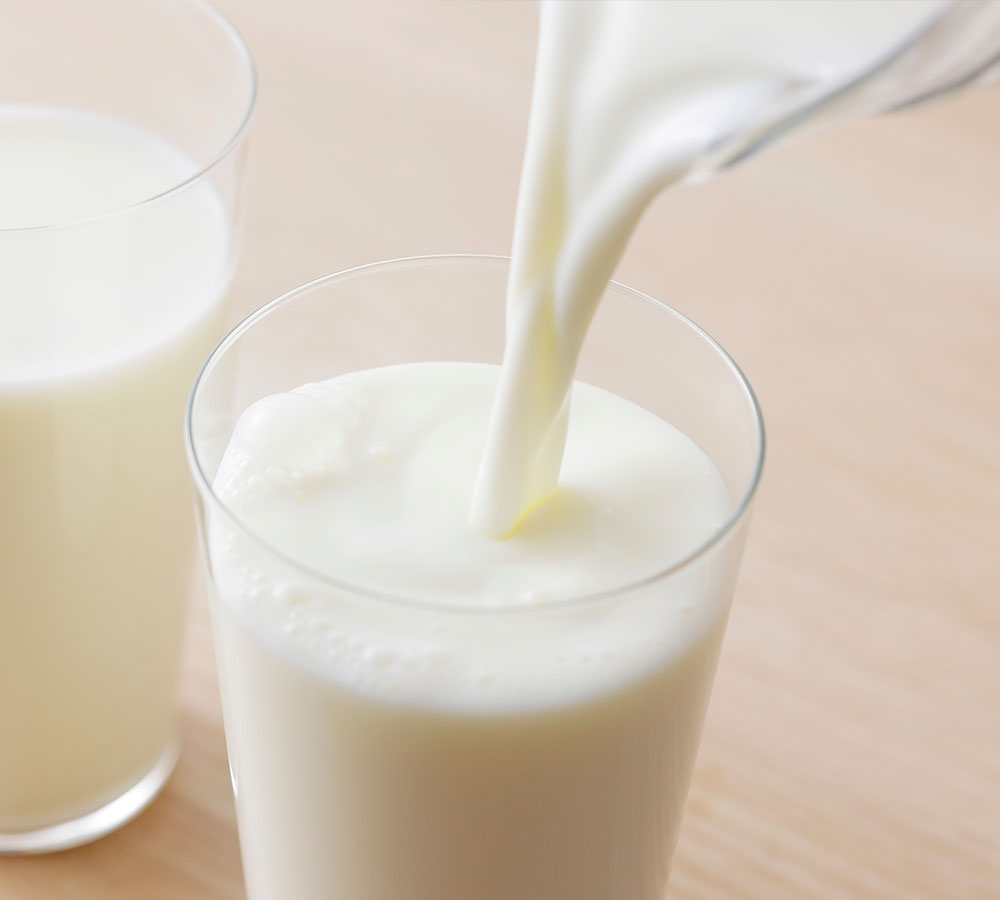
One of the main differences between milk and plant-based drinks lies in the type and quantity of sugars present. Plain, unflavoured cow’s milk naturally contains only one sugar: lactose, which is listed on the label as ‘the natural sugar in milk’.
Conversely, many plant-based drinks have sugars (such as sucrose or fructose) added during industrial processing to improve their flavour and mouthfeel. This means that their added sugar content can be quite high, ranging from 4 to 20 grams per serving.

The impact on the glycaemic index
Why is the difference between lactose and added sugars so important for our health? The answer lies in the way our bodies process them. The addition of sugars such as sucrose to plant-based drinks rapidly raises the glycaemic index. Over time, excessive consumption of these sugars increases the risk of developing inflammation, obesity, cardiovascular disease and diabetes.
The lactose found in cow’s milk, on the other hand, behaves quite differently. Working in conjunction with the quality and quantity of the proteins naturally present in milk, lactose has a beneficial effect on glucose homeostasis. In practice, it helps the body to keep the glycaemic index under control, making milk a much more metabolically balanced food.
Calorie comparison: are they really lower in calories?
A widespread misconception is that plant-based drinks are always lower in calories than milk. In reality, precisely because of added sugars and starches (especially in cereal-based drinks), some alternatives – such as rice- or oat-based drinks – may have a higher energy content and total carbohydrate content than cow’s milk. For this reason, the scientific community reiterates that, given their vastly different compositions, plant-based drinks cannot be considered true nutritional ‘substitutes’ for milk.
How to navigate the options